



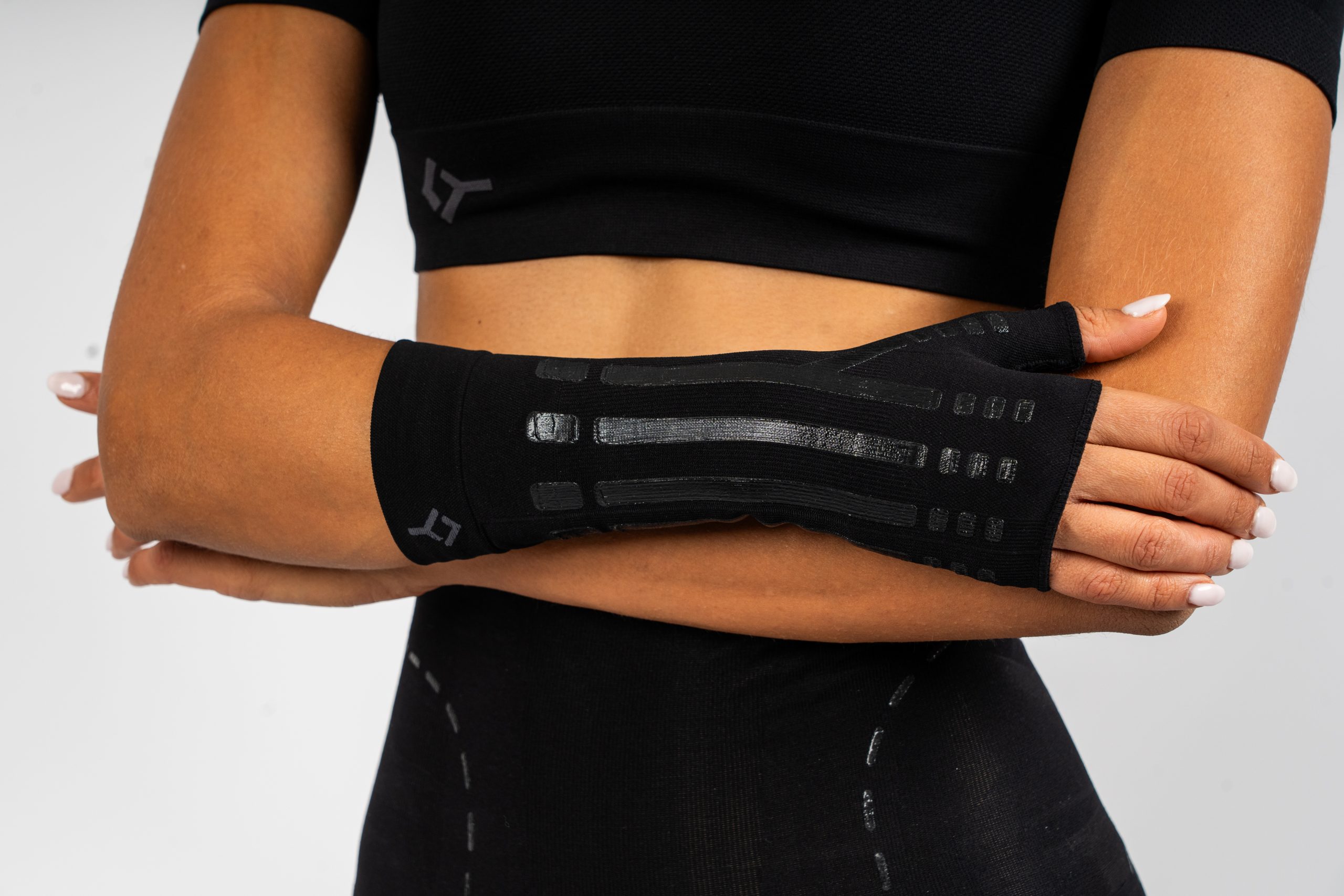
During Inside the Movement, held alongside the OYSHO Milano Premier Padel P1, Floky presented two new products linked by the same technology, bringing biomechanics even closer to the body.
The event’s protagonists were Back-Up, the innovative biomechanical shoulder support, Pulso Control, the new biomechanical wrist support, and Reverse Technology, an advanced system of internal applications that marks an evolution in Floky’s approach to designing biomechanical devices.
The presentation represents a step forward in Floky’s research: developing increasingly technological and unique devices, designed in relation to the anatomical characteristics and stresses of human movement.
Back-Up and Pulso Control
The two devices presented in Milan are intended for two areas of the body that are particularly involved in the technical movements of numerous sports.
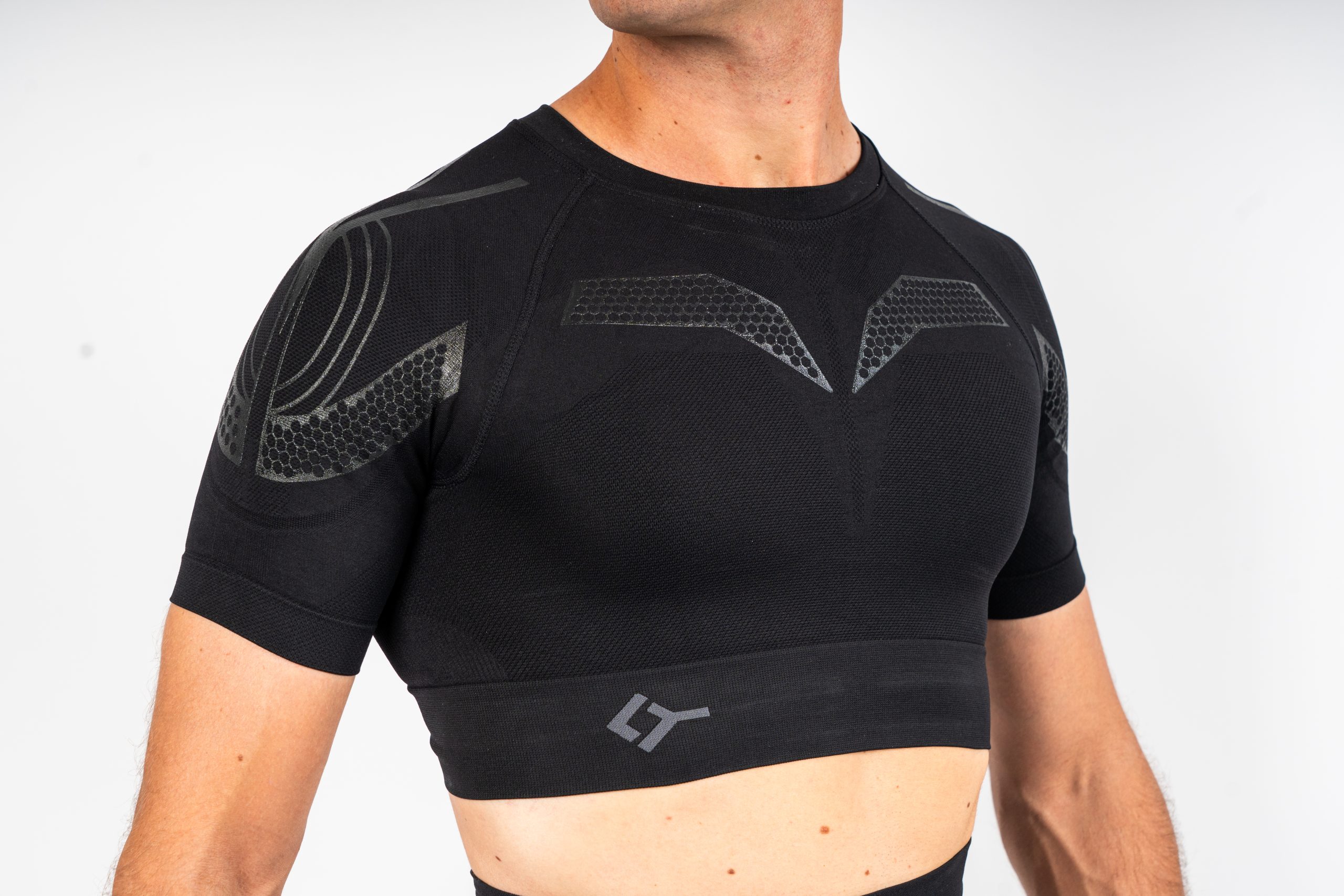
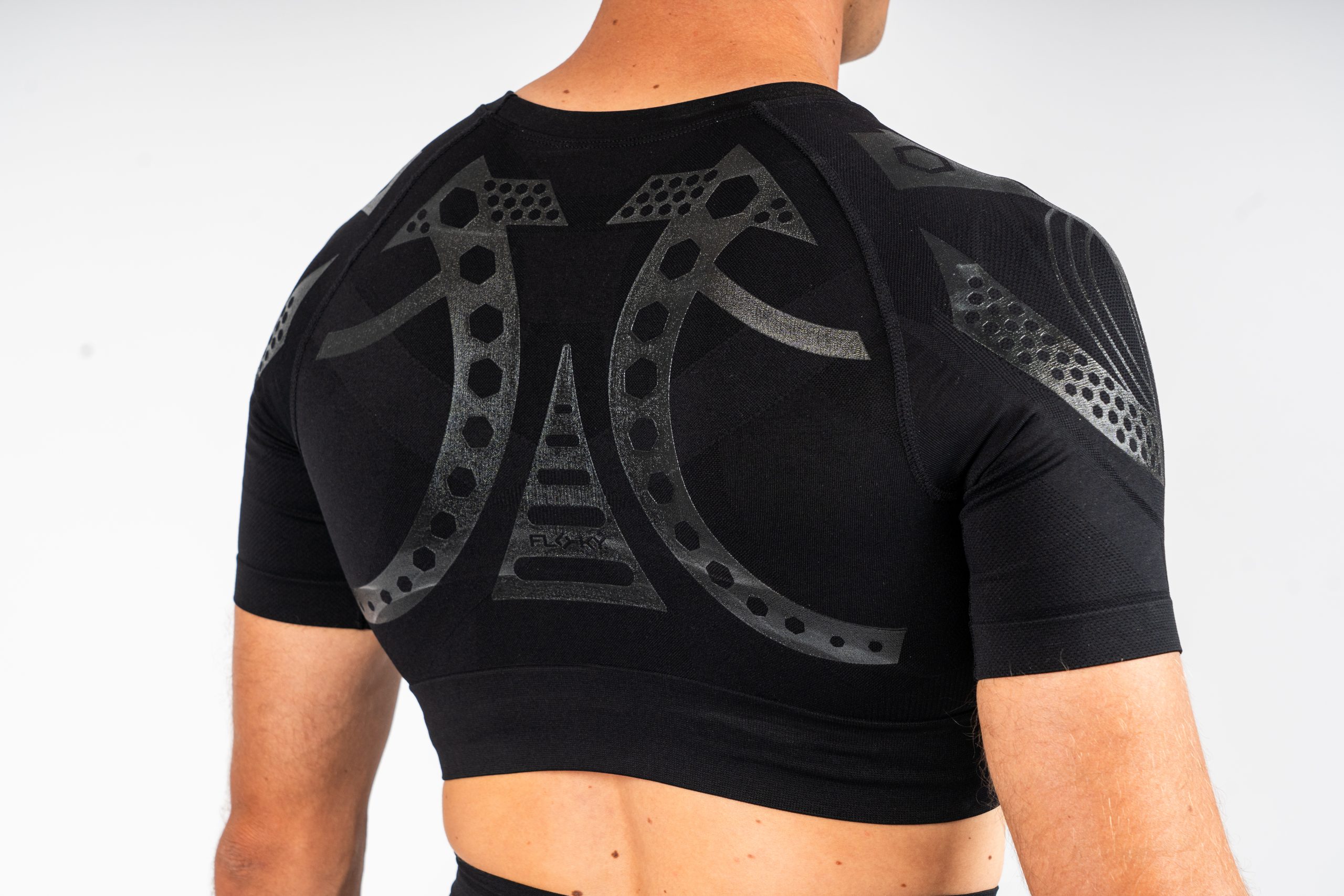
Back-Up is the new biomechanical shoulder support, designed to support the joint during dynamic movements and overhead actions, such as the serve in tennis, the spike in volleyball and padel shots. The structure incorporates a system of biomechanical applications with a fabric containing FIR bioceramic yarn, combining support during movement with a technological component dedicated to recovery.
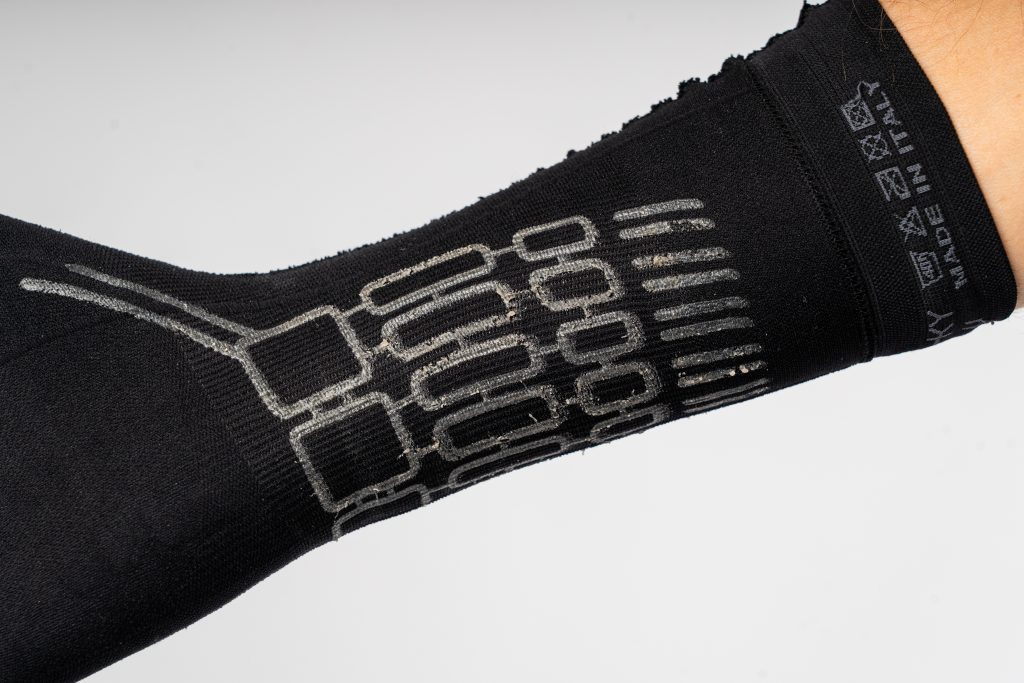
Pulso Control is the new biomechanical wrist support developed to help contain the joint and control wrist movement. It combines FIR technology for recovery with the support provided by the new internal applications, developed using Floky’s new Reverse Technology.
Both devices were created with the aim of responding precisely to the needs of the anatomical areas involved, expanding the possibilities for applying biomechanics to the upper body.
Reverse Technology: support moves closer to the body
The main innovation is Reverse Technology, which introduces internal thermosetting resin applications, adapted for applications for the first time through our research and development. Activated by body heat, these applications adhere to the body and help amplify muscular control and support during activity. The technology therefore brings part of the support system inside the device, in direct contact with the relevant area of the body.
Reverse Technology represents an evolution in Floky’s research: integrating technology into the structure of the device itself to develop devices that increasingly meet the needs of the body and the dynamics of human movement.


